
Introduction
When it comes to choosing a motorcycle helmet, one of the most common dilemmas riders face is deciding between a "Modular" helmet and a "Full-face" helmet. Both helmet types have their own set of features, advantages, and considerations. Let's delve into the comparison to help you make an informed decision.
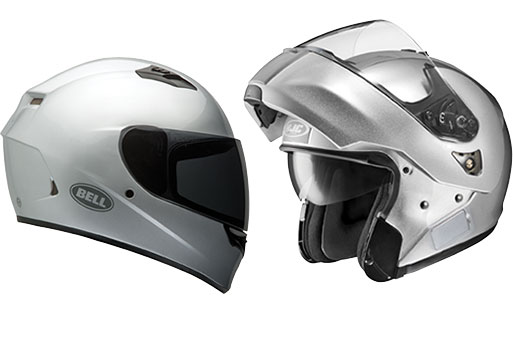
Are Full-face Helmets Better than Modular?
The answer to this question depends on various factors, including personal preferences and riding style. Full-face helmets are often regarded as offering better overall protection. Popular brands such as Bell Helmets, Shoei Helmets, HJC Helmets, LS2 Helmets, AGV Helmets, and Arai Helmets are well-known for their high-quality full-face helmet offerings, which provide comprehensive coverage for the head, face, and chin.
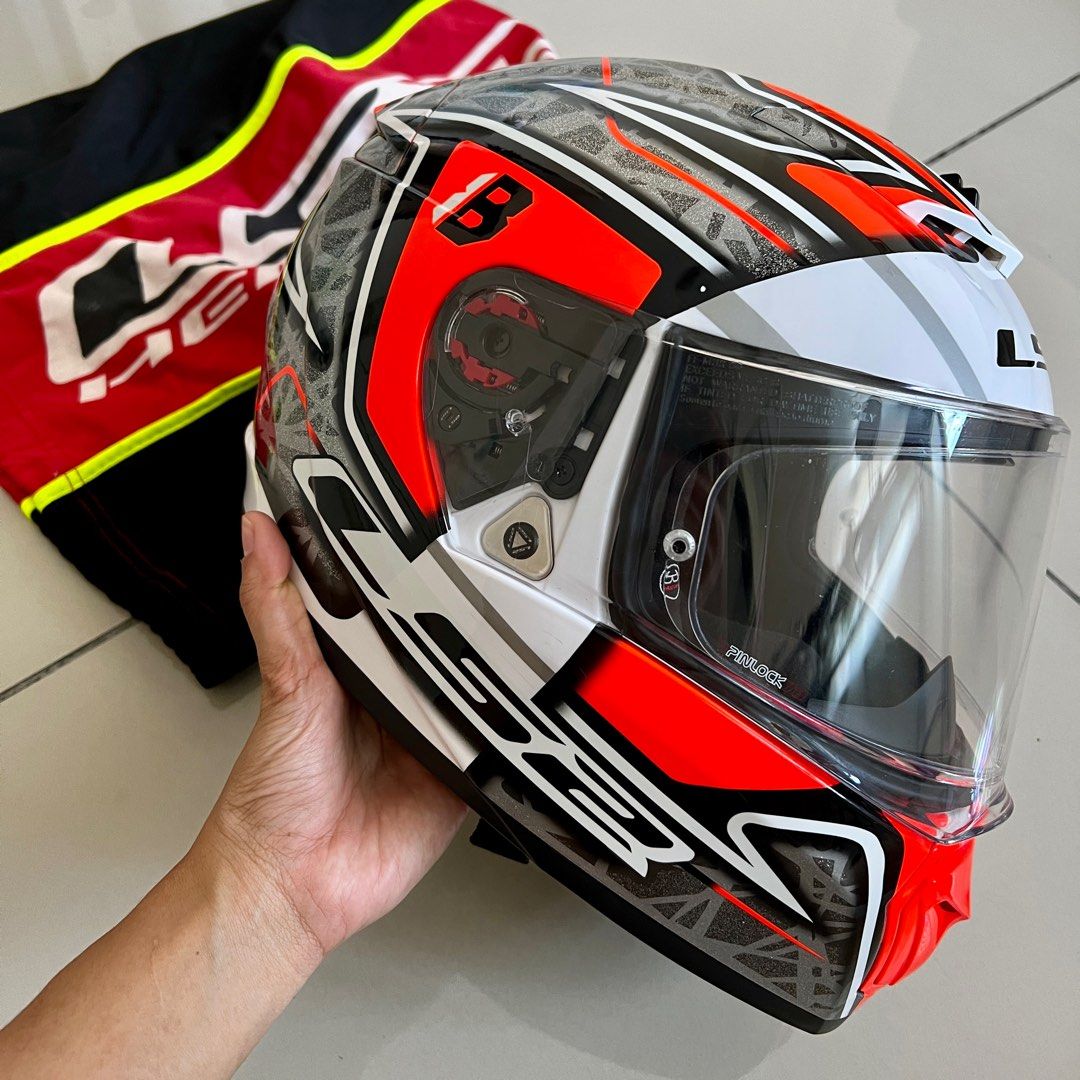
Full-face helmets are designed to absorb impacts from all angles, making them ideal for safety-conscious riders who prioritize maximum protection. These helmets enclose the entire head, leaving no exposed areas vulnerable to potential injuries. Brands like Bell Helmets and Shoei Helmets are renowned for their cutting-edge technology and continuous efforts to enhance safety features in their full-face helmet models.
Is a Full-face Helmet Better?
As mentioned earlier, full-face helmets are generally considered better for providing comprehensive protection. Renowned brands like Bell Helmets, Shoei Helmets, HJC Helmets, LS2 Helmets, AGV Helmets, and Arai Helmets design their full-face helmets to absorb impacts from all angles, reducing the risk of injury in the event of an accident.
For example, Bell Helmets and Shoei Helmets are known for their research and development, using advanced materials and engineering techniques to produce state-of-the-art full-face helmets that excel in safety standards. These helmets undergo rigorous testing to ensure they meet or exceed industry safety certifications.
Are Full Face Helmets Quieter than Modular?
In general, full-face helmets tend to be quieter than modular helmets. The one-piece design of full-face helmets creates a more streamlined and aerodynamic shape, reducing wind noise and turbulence during rides.
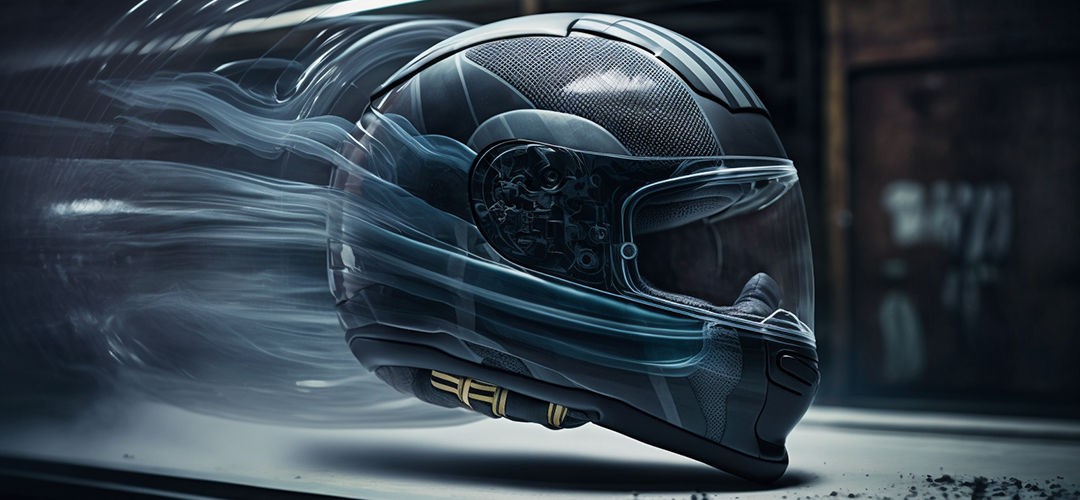 |
| Aerodynamic shape |
Brands like HJC Helmets and Arai Helmets take acoustic engineering seriously, incorporating noise-reducing features into their full-face helmet models, making them a popular choice among riders seeking a quieter riding experience.
What are the Disadvantages of Modular Helmets?
While modular helmets offer convenience, they do have some disadvantages to consider. One of the main concerns is safety. The movable chin bar introduces additional points of potential failure in a crash, making them slightly less robust than full-face helmets in terms of impact protection.

Brands like LS2 Helmets and AGV Helmets have worked to improve the safety of their modular helmet offerings, incorporating strong and reliable locking mechanisms for the chin bar. However, it's essential for riders to follow the manufacturer's guidelines and ensure the chin bar is securely locked in the down position before riding, to maintain maximum safety levels.
Why Do People Like Modular Helmets?
People prefer modular helmets for their versatility and convenience. Being able to flip up the chin bar makes it easier to communicate with others, have a drink, or even simply take a break without removing the entire helmet. Modular helmets are popular among touring and adventure riders who value the flexibility of the design during long rides.
Brands such as HJC Helmets and LS2 Helmets have introduced innovative features in their modular helmet lines, like sun visors and Bluetooth compatibility, adding to the appeal of these helmets for riders seeking a blend of convenience and functionality.
Which Type of Helmet Is Best?
The question of the best helmet type ultimately depends on the rider's specific needs and priorities. If maximum protection is the top priority, a full-face helmet, such as those offered by Bell Helmets and AGV Helmets, is generally recommended. They provide superior coverage and impact protection, making them suitable for various riding conditions.
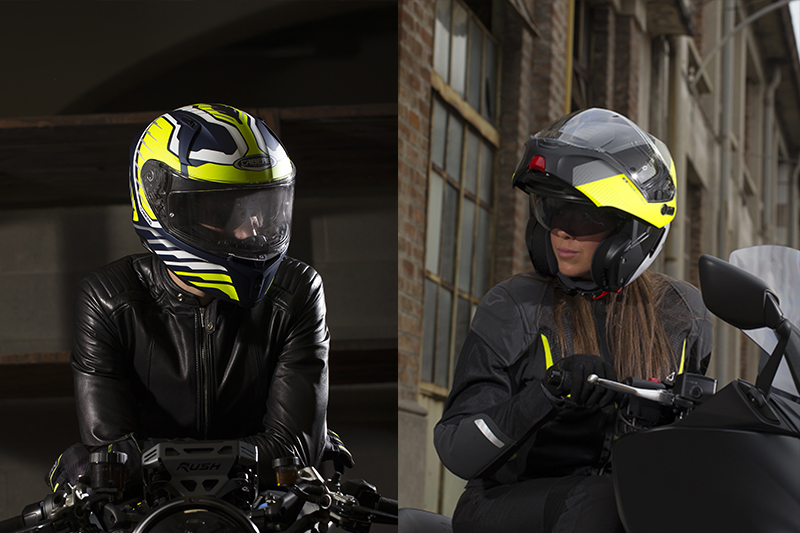
On the other hand, if versatility and convenience are equally important, a modular helmet, such as those from HJC Helmets and LS2 Helmets, might be a better choice. The ability to flip up the chin bar and enjoy added features like built-in sun visors may enhance the overall riding experience for certain riders.
Which Type of Helmet Is Best for Safety?
In terms of safety, full-face helmets are considered the best due to their all-around coverage and robust construction. Brands like Shoei Helmets and Arai Helmets have a longstanding reputation for producing top-tier full-face helmets that excel in safety testing and real-world protection.
While modular helmets have made significant advancements in safety, they may not provide the same level of impact protection as full-face helmets. As such, riders seeking the highest level of safety are often advised to opt for a well-designed full-face helmet.
Are Modular Helmets Safe in a Crash?
Modular helmets can be safe in a crash, but riders must be diligent in their usage and adhere to safety guidelines. The movable chin bar introduces additional points of potential failure, especially if not properly locked in the down position during a collision.
Respected helmet manufacturers like HJC Helmets and Arai Helmets emphasize safety in their modular helmet designs, employing sturdy locking mechanisms and rigorous testing to ensure crash-worthiness. Riders who choose a modular helmet should remember to secure the chin bar before every ride and follow the manufacturer's recommendations for use to maximize safety.
Conclusion
The choice between a modular helmet and a full-face helmet depends on individual preferences, riding style, and the importance placed on features such as convenience and maximum protection. High-quality helmets from reputable brands like Bell Helmets, Shoei Helmets, HJC Helmets, LS2 Helmets, AGV Helmets, and Arai Helmets are all worth considering when making this crucial decision to ensure a safe and enjoyable riding experience.
FAQs
Are modular helmets less safe than full-face helmets? While modular helmets offer the convenience of a flip-up chin bar, they may be slightly less robust than full-face helmets in terms of impact protection. However, reputable brands like HJC Helmets and Arai Helmets have made significant advancements in safety for their modular helmet models, making them a viable option for many riders. To ensure safety, always lock the chin bar securely before riding.
Do all modular helmets have a DOT certification for riding with the chin bar up? No, not all modular helmets are DOT certified for use with the chin bar in the raised position. It's essential to check the manufacturer's guidelines and ensure the helmet is certified for both configurations if you intend to ride with the chin bar up.
Can I use a modular helmet for track racing? Generally, full-face helmets are the preferred choice for track racing due to their superior safety features and aerodynamics. While some modular helmets may have DOT certification for use on the road, they might not meet the stringent requirements for high-speed track racing.
Do modular helmets weigh more than full-face helmets? In most cases, yes, modular helmets tend to be slightly heavier than full-face helmets due to their additional moving parts. However, helmet weight can vary between brands and models, so it's best to check the specifications for specific helmets.
Are Bell Helmets, Shoei Helmets, HJC Helmets, LS2 Helmets, AGV Helmets, and Arai Helmets good choices for both modular and full-face helmets? Yes, all these brands are well-known for producing high-quality helmets, including both modular and full-face options. Whether you prefer the convenience of a modular helmet or the maximum protection of a full-face helmet, these brands offer a wide range of options to suit different rider preferences.
Are modular helmets legal to use in all countries? The legality of using modular helmets varies by country and region. Some countries might have specific regulations regarding helmet types and certification standards. It's crucial to familiarize yourself with the local laws and regulations before riding with a modular helmet.